
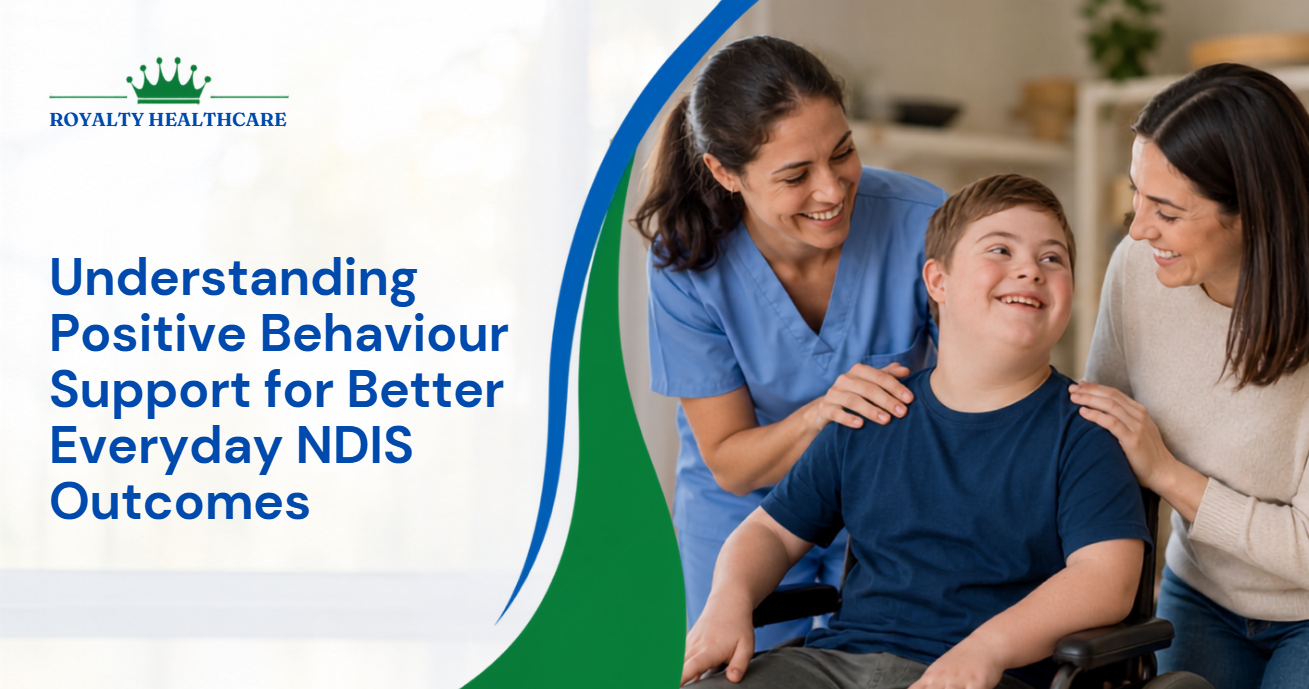
When behaviour becomes difficult to understand, families and support teams often focus first on what is happening in the moment. A person may withdraw, become distressed, refuse an activity or react strongly to a particular environment. But the behaviour itself is only one part of the story.
In many cases, behaviour can be a form of communication. It may reflect pain, frustration, sensory overload, anxiety, difficulty expressing a need, a change in routine or an environment that does not feel safe or predictable.
Positive behaviour support takes a broader view. Rather than trying to suppress a reaction, it looks at what may be contributing to it and what can be changed to improve the person’s wellbeing, independence and everyday experience.
For NDIS participants, this approach can be especially valuable when support is tailored to the individual and developed in collaboration with the people who know them best.
Behaviour Is Often Communication in Another Form
It is easy to label a behaviour as “challenging” when it affects routines, relationships or safety. However, labels can sometimes prevent people from asking the more useful question: what is this person trying to communicate?
A participant may leave a noisy environment because the sensory input feels overwhelming. Someone may refuse personal care because they are uncomfortable, anxious or unsure about what is happening. Another person may become distressed when a familiar routine suddenly changes.
This is where NDIS Behaviour Support Services can play an important role. The focus is not simply on changing what others can see. It is about understanding the person more deeply and identifying practical ways to reduce distress, support communication and improve participation in everyday life.
This person-centred approach also recognises that the environment around the individual may need to change. Sometimes the most effective solution is not asking the participant to adapt more, but making routines, communication or surroundings more supportive.
What Good Support May Explore
A quality support approach should be individualised. Strategies should reflect the participant’s communication style, preferences, daily routines, relationships and goals.
Key areas may include:
- Identifying patterns, triggers and possible unmet needs
- Building more effective communication strategies
- Adjusting environments or routines where appropriate
- Supporting emotional regulation and coping skills
- Helping families and support workers respond more consistently
- Reviewing strategies as the person’s needs change
These elements work best when they are connected. Understanding triggers without changing the environment may achieve little. Developing communication strategies without involving the people who provide daily support may also limit progress.
The most effective support is usually practical, realistic and designed for everyday life rather than existing only within a formal plan.
Why Context Matters More Than Assumptions
Two people may display similar behaviours for completely different reasons. That is why observation, assessment and collaboration are so important.
For one participant, distress may occur because of a sensory trigger. For another, it may reflect fear, communication difficulty, pain or frustration. Applying the same strategy to both people would overlook the individual circumstances behind the behaviour.
For families exploring NDIS Behaviour Support Services Brisbane, localised support can be especially useful where practitioners need to understand the participant’s real-world environments. Seeing how someone responds at home, in the community or during everyday activities may provide insights that are difficult to identify from conversation alone.
Context helps transform support from guesswork into a more informed and respectful process.
The People Around the Participant Matter Too
Positive behaviour support does not happen in isolation. Families, carers and support workers often play a major role in how strategies work from day to day.
They may notice patterns that others miss. They may understand the participant’s early signs of discomfort, preferred communication methods or small changes in routine that can make a significant difference.
When everyone involved understands the agreed approach, the participant can experience greater consistency. That consistency can make daily life feel more predictable and reduce situations where mixed responses create confusion or distress.
However, consistency should never mean rigidly following a script. Good support remains responsive. The participant’s choices, changing circumstances and feedback should continue to shape how strategies are used.
What Families Should Look for in Quality Support
Choosing the right provider is not only about availability. Families should also feel confident that the approach is respectful, transparent and genuinely person-centred.
Quality support should demonstrate:
- Respect for the participant’s dignity, rights and preferences
- Clear explanations about why strategies are recommended
- Genuine collaboration with the participant and their support network
- Practical recommendations that can be used in everyday settings
- Regular monitoring and review
- A focus on reducing restrictive practices where possible and appropriate
Families should also feel comfortable asking questions. If a strategy does not make sense, they should be able to discuss it. If circumstances change, the plan should be reviewed rather than treated as fixed.
Trust is built when providers communicate clearly and involve people in decisions rather than simply presenting them with instructions.
From Written Plans to Everyday Change
A support plan has value only when it improves real life.
Effective Behaviour Support is not measured by how detailed a document looks. It is measured by whether the participant experiences meaningful improvements in communication, safety, independence, participation or emotional wellbeing.
Sometimes these improvements are subtle. A participant may begin using a new way to communicate discomfort before reaching a point of distress. They may tolerate a previously difficult routine for longer. They may become more comfortable in community settings or feel more confident making choices.
These changes may seem small from the outside, but for the participant and family, they can represent significant progress.
Positive outcomes often develop over time. This makes patience, observation and regular review essential.
How Royalty Healthcare Can Support Participants
The right disability support provider should recognise that every participant has their own strengths, preferences, goals and support needs.
Royalty Healthcare provides personalised NDIS supports designed to help participants build independence, confidence and greater participation in everyday life. The emphasis is on understanding the individual and working in a way that complements their broader goals and support network.
When multiple services are involved, good communication between providers, families and support professionals can help create a more coordinated experience. This reduces the risk of fragmented care and ensures that everyone remains focused on the participant’s priorities.
Everyday Changes Can Make a Meaningful Difference
Support does not always require major interventions. Sometimes small changes to communication, timing, routines or environments can create meaningful improvements.
Helpful everyday practices may include:
- Offering choices in ways the participant can understand
- Allowing additional time for communication or processing
- Recognising early signs of discomfort or overload
- Using consistent communication approaches
- Supporting independence instead of automatically stepping in
- Sharing relevant observations with the wider support team
These practices may appear simple, but they can help create environments where participants feel more understood and in control.
The goal is not to remove every difficult situation. Everyday life will always involve change, uncertainty and challenges. The aim is to give the participant and the people around them better tools to navigate those situations safely and respectfully.
Conclusion: Better Support Begins With Better Understanding
Positive behaviour support starts with a simple but important shift in thinking: instead of focusing only on what a person is doing, we try to understand what may be happening for them.
That shift can lead to more thoughtful strategies, stronger communication and better relationships between participants, families and support teams.
When support is personalised, evidence-informed and grounded in the participant’s rights and preferences, it can contribute to meaningful improvements in everyday life. It can help people feel safer, more understood and more confident participating in the things that matter to them.
For families navigating behaviour support through the NDIS, the most important step is choosing professionals who are willing to listen, collaborate and look beyond the behaviour itself. Because meaningful progress does not begin with control. It begins with understanding.