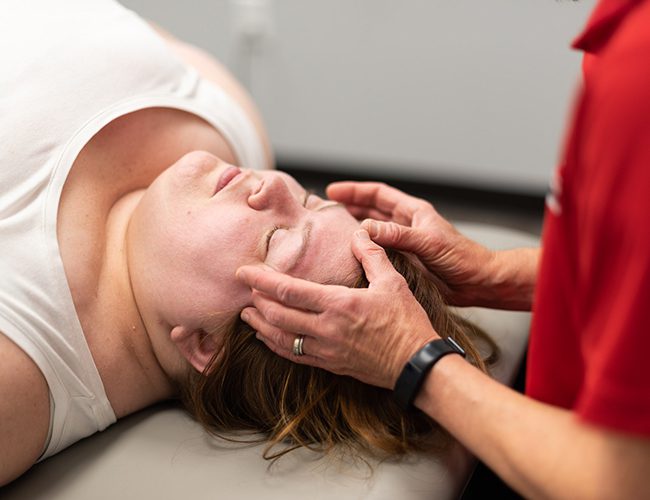

For many people living with disability, daily life is shaped by the quality of support around them. Small things such as having reliable assistance, feeling understood, participating in the community, or simply maintaining a comfortable routine can make a meaningful difference to confidence and wellbeing.
Families often spend months researching providers because disability support is deeply personal. It is not only about receiving services. It is about finding people who genuinely understand the participant’s goals, lifestyle, personality, and support needs. A strong support network should help participants feel more independent, connected, and confident in everyday life.
Sydney is home to a wide range of disability support services, but not every provider delivers the same experience. Some focus only on basic assistance, while others aim to create more personalised and empowering support environments. Understanding that difference is important when choosing long-term support.
The Shift Towards More Individualised Support
Over time, disability support has evolved significantly. Participants and families now expect services that are more flexible, collaborative, and tailored to personal goals. Instead of standardised care models, many people now prefer support arrangements built around individual lifestyles and preferences.
This shift has changed the way people search for support services. Rather than simply comparing providers by location or availability, families often evaluate:
- communication style
- flexibility of support
- participant involvement in decision-making
- consistency of support workers
- opportunities for independence and community inclusion
This is one reason many families specifically search for an ndis provider Sydney that offers participant-focused support rather than highly rigid service structures.
The goal is no longer only assistance. It is creating a better quality of life.
What Participants Usually Value Most
While every participant has unique needs, there are certain qualities that consistently matter across disability support services.
Feeling Safe and Comfortable
Participants want to feel emotionally and physically safe within their support environment. Comfort often comes from consistency, respectful communication, and predictable routines.
Being Heard and Respected
Support works best when participants feel involved in decisions about their own lives. Providers who actively listen and adapt support plans usually build stronger long-term relationships.
Having More Independence
Many participants want support that helps them become more confident and independent over time rather than feeling overly dependent on services.
Staying Connected to the Community
Social participation and community engagement are important parts of wellbeing. Participants often value opportunities to remain active, social, and connected.
Why Communication Shapes the Entire Experience
One of the biggest differences between average support and exceptional support is communication. Families often feel less stressed when communication is clear, transparent, and consistent.
Good providers usually:
- respond promptly to concerns
- explain services clearly
- involve participants in planning
- maintain regular updates with families
- adapt support when circumstances change
Poor communication, on the other hand, can create uncertainty and frustration even if the services themselves are technically available.
This is why many people researching ndis Sydney services focus heavily on reviews, responsiveness, and overall communication quality before making decisions.
Looking Beyond Basic Support Services
Modern disability support is no longer limited to personal care alone. Participants often seek services that support independence, confidence, emotional wellbeing, and lifestyle goals.
Pointwise, many participants now look for support with:
- community participation
- transport assistance
- daily living skills
- supported accommodation
- social engagement
- in-home support
- short-term accommodation options
- complex care requirements
The most effective providers understand that support should help participants build fuller and more meaningful lives, not simply complete daily tasks.
How Environment Influences Wellbeing
A participant’s environment often affects confidence and emotional wellbeing more than people realise. Feeling comfortable at home, having structured routines, and interacting with familiar support workers can significantly improve daily experiences.
This is particularly important for participants receiving ongoing support or accommodation-related services. Stable and participant-focused environments can help reduce anxiety while encouraging stronger independence over time.
Good support environments usually encourage:
- routine and consistency
- independence at a comfortable pace
- respectful interactions
- emotional reassurance
- social participation where appropriate
These elements create a more positive and empowering experience overall.
A More Flexible Approach to Disability Services
Kuremara describes itself as a registered NDIS provider delivering disability support services across Australia, including Sydney. According to its website, the organisation provides support services such as Supported Independent Living (SIL), Short Term Accommodation (STA), Individualised Living Options (ILO), in-home support, community participation, transport assistance, and complex care services.
Its Sydney service pages highlight participant-focused support aimed at improving independence, wellbeing, and everyday confidence. The website also references flexible support arrangements designed around participant goals and changing support needs.
The organisation further outlines accommodation options and disability support programs available within Sydney, focusing on personalised care and participant-centred planning.
For participants and families reviewing support options, this positioning suggests an emphasis on flexibility, independence, and support structures tailored to individual lifestyles.
Questions Families Often Forget to Ask
Many families focus mainly on service availability when comparing providers. While availability is important, asking deeper questions often gives a much clearer understanding of the provider’s approach.
Some useful questions include:
- How are support workers matched with participants?
- How flexible are support arrangements?
- What happens if support needs change?
- How is participant feedback handled?
- What does communication with families look like?
- How does the provider encourage independence?
These discussions often reveal far more than promotional brochures or websites alone.
Why Consistency Matters More Than Perfection
No support service will be perfect every single day. What often matters most to participants and families is consistency. Reliable communication, familiar routines, and stable support relationships usually create stronger trust over time.
This is why many people researching ndis providers in sydney prioritise reliability and long-term relationship building over short-term promises.
Consistency helps participants:
- feel more emotionally secure
- build confidence in routines
- develop trust with support workers
- experience less stress around changes
- maintain greater stability overall
Reliable support often has a direct impact on both participant wellbeing and family peace of mind.
The Role of Independence in Modern Disability Support
Good support should never remove choice or independence unnecessarily. Instead, the goal should be helping participants feel more capable, involved, and confident in everyday situations.
Support providers increasingly focus on:
- encouraging participant choice
- building daily living skills
- supporting social confidence
- helping participants explore new opportunities
- creating gradual pathways toward independence
This approach often creates more meaningful long-term outcomes than highly restrictive support models.
Conclusion
Choosing disability support is one of the most important decisions participants and families make. Beyond services and schedules, people are ultimately searching for trust, consistency, flexibility, and genuine understanding.
Kuremara presents itself as a registered NDIS provider offering disability support services across Sydney, including SIL, STA, ILO, in-home care, community participation, transport assistance, and complex care support. Its website highlights a participant-focused approach aimed at supporting independence, wellbeing, and everyday confidence.
For families exploring disability support options, the right provider is usually the one that combines professionalism with genuine care while creating an environment where participants can feel respected, supported, and empowered every day.